
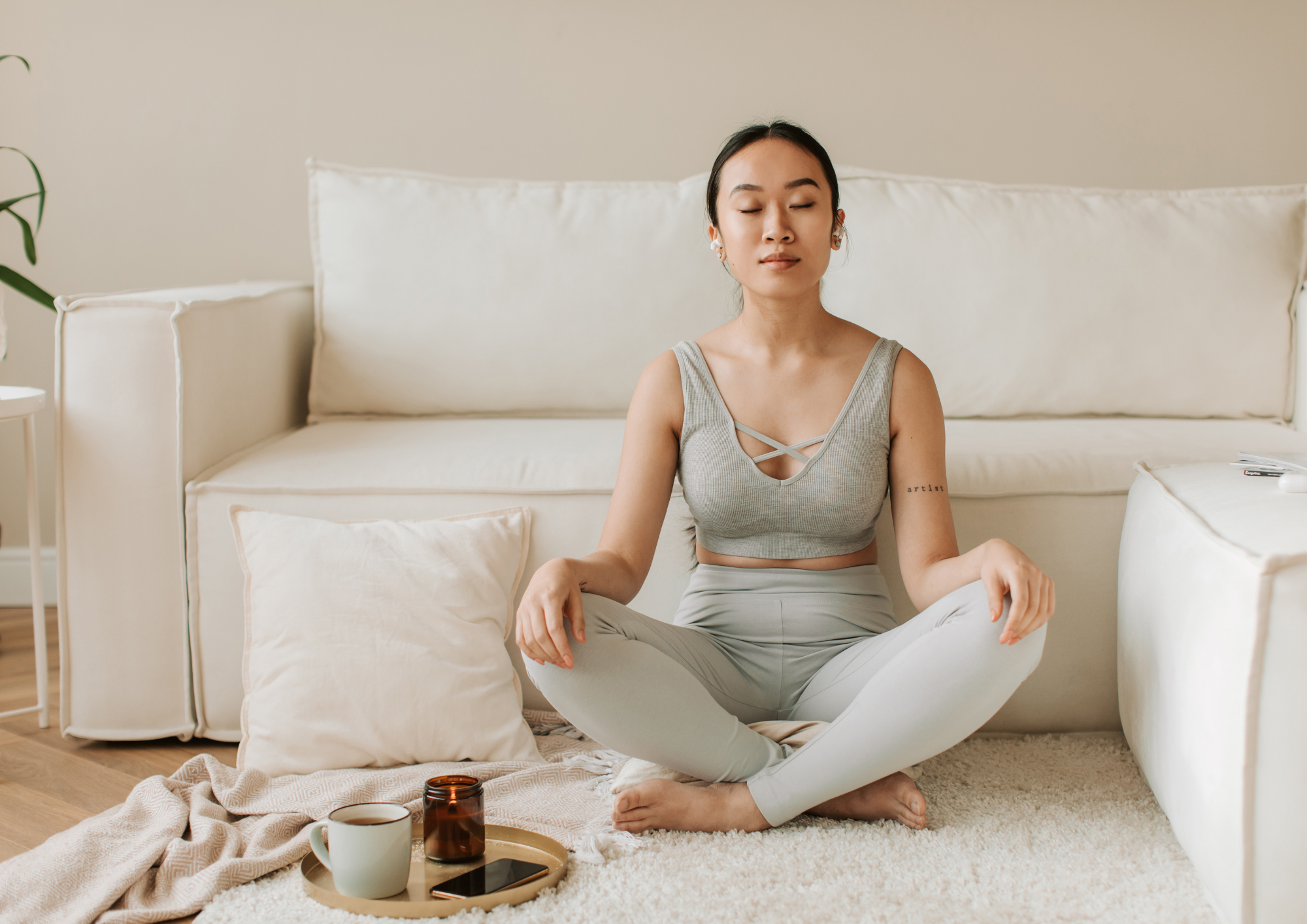
Are you breathing?
How often do you begin a massage treatment by asking your client to take three deep breaths?
How often do you breathe with them?
Do you continue that deep breathing throughout your massage?
The first time I noticed that massage therapists do not breathe properly, was whilst working in a couple’s treatment. I was casually observing the other therapist working, so that I could match their pace and timings, when I realised that she was holding her breath. I observed this a number of times throughout the massage and grew concerned for the therapist. I mentioned it to her after the treatment, she had never noticed but spent the rest of her day checking in with her breathing. She realised that she was doing it frequently, mostly when she was trying to offer deeper pressure.
Soon after, I worked with a different therapist in a couple’s treatment, and I noticed the same thing. In fact, I have observed this almost every time I have viewed another therapist working. Talking to the therapists about it revealed the exact same thing, no one knew they were doing it. I started checking in with my own breathing whilst working and, lo and behold, I was doing the exact same thing.
The more intensely I focused on the client, the less I would breathe. When trigger pointing, I would hold my breath. When warming through the muscles, I would shallow breathe. In fact, there were rarely moments during a massage where I would be properly using my diaphragm and lungs. This lack of proper breathing would leave me feeling breathless after a massage and was a huge contributing factor to my back pain and exhaustion.
However, the difference, when I started breathing properly and deeply, was astonishing.
The first thing that I noticed, was the connection between myself and the client.
I very often start a massage treatment by asking the client to take three deep breaths and breathing with them, however, the majority of clients struggle to take a deep breath. Most people do not use their full lung capacity and only shallow breathe. They do this so often that they then find it impossible to take a deep breath and their ability to fully relax is adversely impacted. This lack of deep breathing can lead to upper back pain as the intercostal muscles become severely tightened, occasional chest pain, that is actually muscle pain, stress, anxiety and even panic attacks. Simply asking the client to take three deep breaths and breathing with them is simply not enough to help. However, when you as the therapist, slow your breathing down, the client does begin to match your breathing. The difference is subtle and takes time to establish but it does work and your connection to your client massively improves.
Your treatment slows down.
As you breath more deeply and focus more on your breath work, your massage speed will naturally slow down. In fact, you can match your movements to the rate of your breathing, creating a more relaxed treatment and further improving your client’s rate of breathing. Slower movements mean you can work deeper and with more accuracy with your client without causing them discomfort or sudden changes. This also creates more of a sense of calm for you, the therapist and means that you finish the treatment without feeling out of breath or exhausted.
Your posture and comfort levels improve.
The fact that you are breathing deeper, using your full lung capacity and exercising your diaphragm means that you are reducing the discomfort in your own back. Concentrating on your breathing and deepening your breath for 30 minutes to an hour (depending on your treatment time), increases mindfulness and improves your posture. It is very difficult to slouch whilst taking a deep breath.
These are just a few of the benefits of breathwork in massage therapy and are the reasons that focusing on your breath, is one of the main principles I used to create The Purser Method of zero strain massage therapy.