
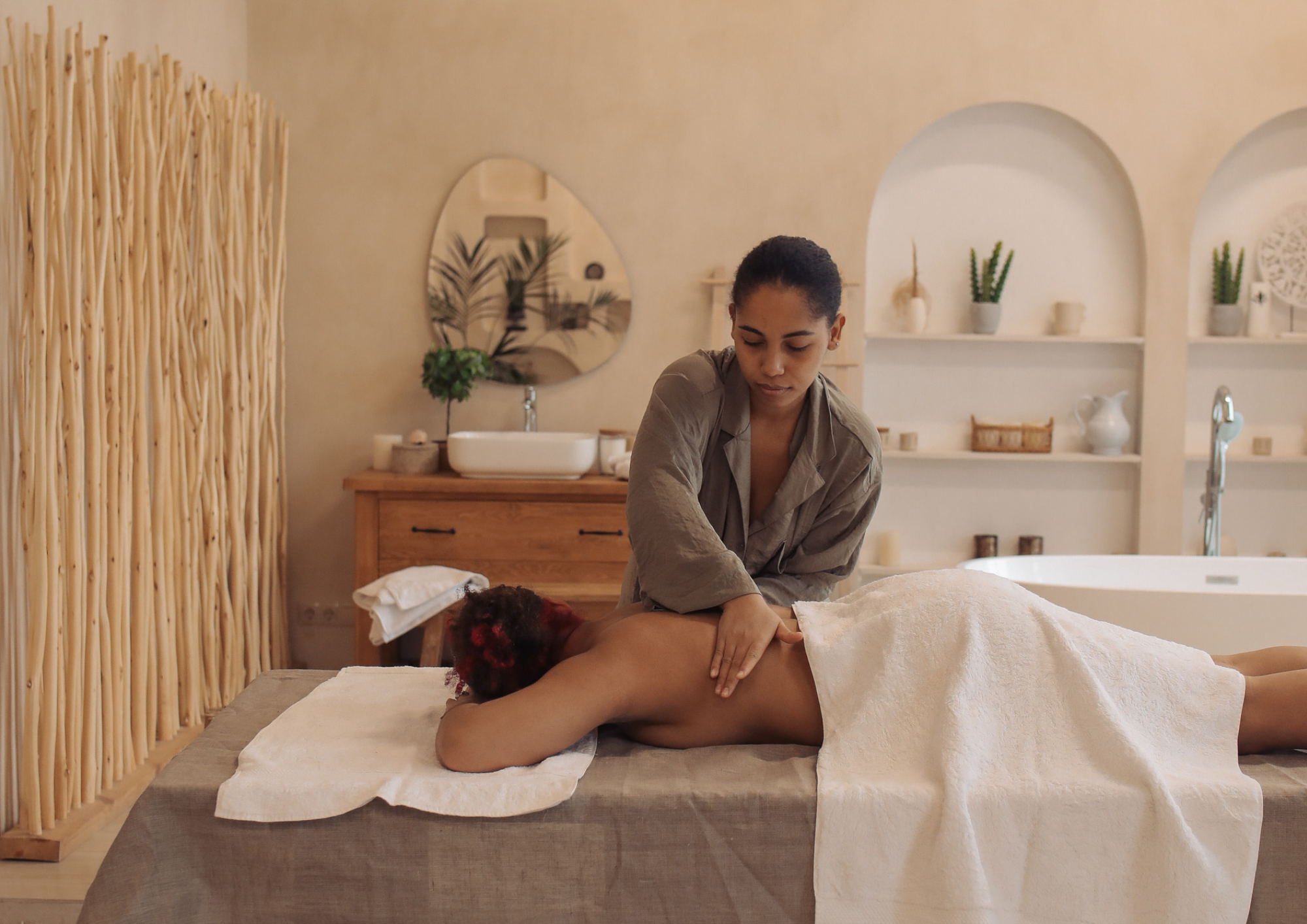
Working from a fixed position could be ruining your massage.
I’ve been a massage therapist for more years than I care to admit but I still remember a lot of my core teachings. I sincerely hope that some of the things I originally learned are no longer being taught but sadly there are a lot of therapists who have gone through similar training and have been given some poor and outdated advice on posture and stance.
There are a few things that I wish I had never been told about stance and that are absolutely guaranteed to lessen the quality of your massage and increase your discomfort during and after performing a massage treatment.
My top 5 worst pieces of advice that I have heard about stance;
- Only work from the head and the left side of the couch
- Keep at least one fists distance from the massage couch to maintain your client’s personal space
- Never lean or rest on your couch
- Maintain a sustained squat throughout your massage and keep your back straight
- Keep a fixed position to maintain your posture
Here’s a breakdown of why this advice is bad for you and your massage and how you can make changes.
Keeping to one side of the couch.
Working from just one side of the couch means that you cannot easily reach across the client’s body to offer the same pressure or movements to the side of the body furthest away from you. No human body is symmetrical so you do not need to do the exact same movements on each side of the body, but you do want to be offering as even a massage throughout your client’s body as you can. Moving around the couch creates a better flow and a more even treatment. It also means that you are not straining your body by trying to reach over your client in an awkward or uncomfortable position.
Keeping distance from the couch.
Massage is incredibly personal, you are being trusted to touch another person while they are in a vulnerable position. Offering a safe space is an incredibly important part of the massage treatment and maintaining boundaries and trust is essential. That being said, you are touching that person, you are already in their personal space, you have been invited into their personal space, to maintain a distance is almost disrespectful of that trust. Maintaining a distance is also going to put more strain on your body as you are having to reach and stretch further.
Leaning or resting on the couch.
It’s your couch, you have been invited into your client’s personal space, if you need to lean into the couch for stability, lean into the couch. If you need to sit on the end of the couch, rest an elbow or a hip on your couch, there is nothing stopping you from doing that. If it means giving your body some extra support or better leverage for a deeper pressure, then use your couch in any way you see fit. Trying to avoid leaning into your couch will reduce the pressure that you can offer your client and will put extra strain through your body.
Sustained squats and straight backs.
The idea behind this is sound, you want to maintain a good posture to reduce stress and strain to your back and shoulders whilst working and certainly squats and straight backs work for heavy lifting, but not so much for massage. Maintaining a squat and straight back for 30 minutes or longer actually causes more stress and strain than having a more relaxed posture would. Instances of sciatica in massage therapists is quite high, likely as a result of the sustained squats and rigid stances. Having a more relaxed posture, making sure that you are not tensing or straining anywhere in your body and raising your couch higher, is better than having perfect posture during a massage.
Fixed positions.
A static position can make both your massage and your body feel ‘stuck’. Moving around the couch freely helps to keep your muscles fluid and relaxed. It makes the flow of your massage better and more relaxing for the client, making your massage almost hypnotic. You can even incorporate light stretching as you move, to help maintain healthy muscles.
A massage should be relaxing and beneficial for both therapist and client.
The power of positive touch is an incredible healing and wellness tool that we therapists should be massively benefitting from. However, if you are following some of the bad advice and remaining rigid, forcing a distance between you and your client or not moving around your couch properly, you are going to be missing out on this healing power and potentially harming your own body in the process. So, throw out those outdated notions and get more comfortable!